Knee pain can stem from various issues, including cartilage tears, ligament damage, or other internal structures within the knee joint. Symptoms often include pain, swelling, stiffness, and instability, which may cause the knee to give way or feel weak. For some patients, especially those experiencing a torn meniscus without severe arthritis, arthroscopic (keyhole) surgery may be an appropriate option to alleviate pain and improve function.
Arthroscopic knee surgery is a minimally invasive procedure used to diagnose and treat a variety of knee problems. The surgery involves making two small incisions—typically about 1.5 cm long—on the front of the knee. Through one incision, a tiny camera (arthroscope) is inserted, allowing the surgeon to view the inside of the joint on a screen. Through the other incision, specialised instruments are inserted to treat the problem, such as trimming damaged cartilage or repairing a torn meniscus.
This procedure is often recommended for individuals with knee pain due to meniscal tears, cartilage damage, or other conditions that haven’t responded to non-surgical treatments.
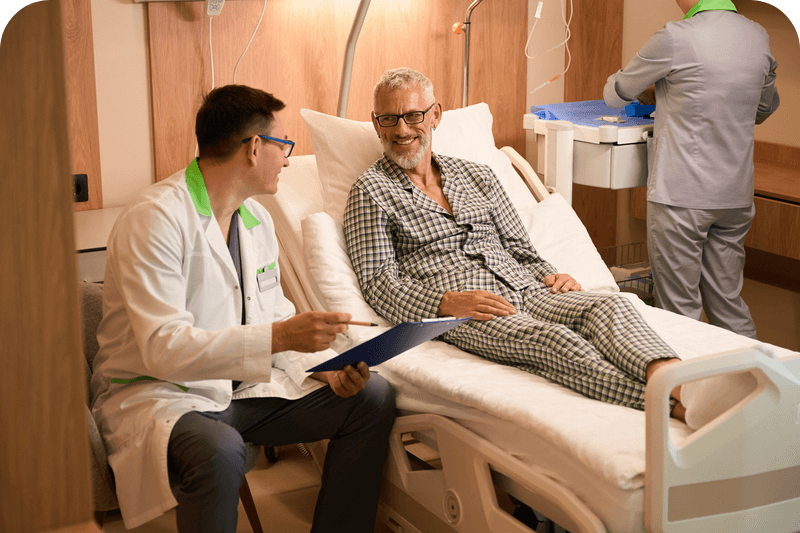
During your clinic visit, Mr Nasr will thoroughly discuss your knee issues, focusing on your symptoms and how they impact your quality of life. Mr Nasr will review your medical history, including any previous surgeries, and may ask you to bring a list of your current medications. A physical examination of your knee will be conducted, and any existing X-rays will be reviewed. In some cases, additional imaging studies such as a new X-ray or MRI may be required.
If arthroscopic surgery is considered the best course of action, Mr Nasr will explain the procedure in detail, including the potential risks and benefits. You will be asked to sign a consent form only when you fully understand and agree to the procedure. Once agreed upon, your name will be added to the surgical waiting list.
Before opting for surgery, several non-surgical treatments may be recommended:
Surgical intervention is considered only after these measures have been exhausted.
If surgery is the chosen course of action, you will undergo a pre-admission appointment to assess your suitability for anaesthesia. This may involve meeting with a nurse or, in some cases, a consultant anaesthetist if there are any specific concerns regarding your health.
You should bring the following items to your pre-admission appointment and on the day of surgery:
Home Preparation: Ensure your home is ready for your recovery period. You may need assistance with meals, housekeeping, and transport for the first 1-2 weeks.
Meals: Prepare and freeze meals in advance.
Housekeeping: Clean your home thoroughly before surgery, and make arrangements for any dependents, including pets.
Shopping: Stock up on essentials or consider using online shopping services, as you may not be able to drive for a few weeks.
Transport: Arrange transportation, as you will be unable to drive for 1-2 weeks post-surgery.
On the day of surgery, you will be given instructions by the hospital regarding where to go and when to arrive. Typically, you will need to fast (no food or drink) from 2 AM on the day of your surgery. Upon arrival, you will be prepped by a nurse and changed into a hospital gown. Your surgeon will review the consent form and mark the joint being operated on. The anaesthetist will also discuss your options for anaesthesia and post-operative pain relief.
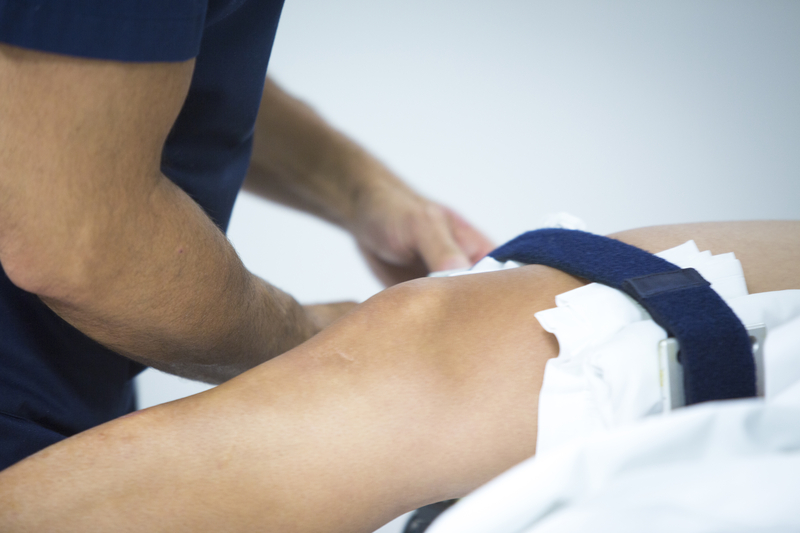
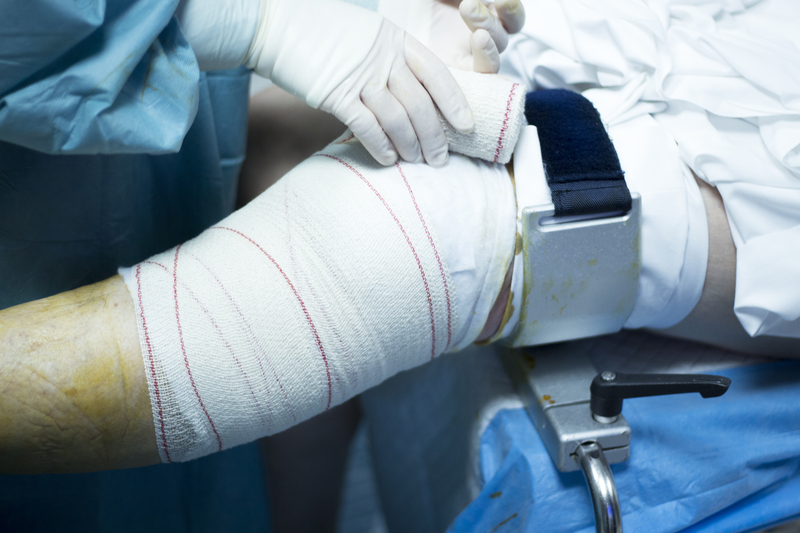
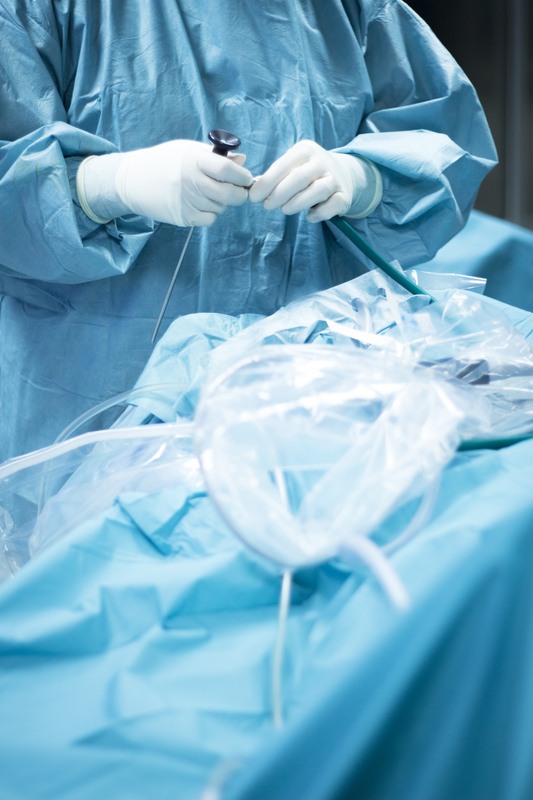
The procedure itself involves two small incisions on the front of the knee, through which a camera and instruments are inserted. The surgeon will examine the entire knee joint, using images from the camera for guidance. If necessary, cartilage tears can be trimmed, or other repairs made with specialised instruments. Once the procedure is complete, the incisions are stitched, and a small dressing is applied, covered by a larger dressing to protect the area.
Following surgery, you will spend time in the recovery room, where your heart rate and breathing will be monitored. You may experience some discomfort, particularly if general anaesthesia was used, but adequate pain relief will be provided. Within an hour or two, you will begin mobilising with the help of a physiotherapist and may be discharged within 4-8 hours.
At home, you will be given specific exercises by your physiotherapist, which are essential for a successful recovery. Pain management typically involves over-the-counter pain relievers, such as paracetamol, for about a week. Most patients can walk normally within this period, but you should strictly follow your rehabilitation plan.
While arthroscopic knee surgery is generally safe and effective, all surgeries carry some risks, including:
Other rare risks – These may include kidney problems, heart attack, stroke, or chest infections.
After surgery, you will have a follow-up appointment in approximately six weeks to check your progress and assess the surgical site for any complications, such as infection or blood clots. Your surgeon will also evaluate your mobility and determine whether you are ready to resume activities such as driving or more vigorous physical activity. If all goes well, you may be discharged from further follow-up appointments at this point.
Arthroscopic knee surgery offers many patients the chance for pain relief and restored function with minimal recovery time, but success depends on follo
At Northampton Hip and Knee Clinic, we pride ourselves on providing exceptional care for hip and knee treatment conditions. Here's why you should choose us.
Mr Pierre Nasr has extensive experience in hip and knee treatments, performing hundreds of hip and knee procedures annually.
As a specialist in hip and knee surgeries, Mr Nasr brings a depth of knowledge to every case.
We tailor our approach to each patient's unique needs and circumstances.
Our clinic consistently achieves excellent results, with high patient satisfaction rates.
Our dedication to outstanding care is evident in the stories of our patients. Explore how our treatments have significantly improved lives, offering relief and restoring mobility for individuals just like you.
Mr Pierre Nasr, MBBS BSc Dip IMC RCS (Ed) FRCS (Tr&Orth), is a Consultant Trauma and Orthopaedic Surgeon with extensive experience in hip and knee replacements and fracture management. His expertise ensures you receive the highest standard of care at Northampton Hip and Knee Clinic.
Remote Consultations for Hip and Knee Pain and Lower Limb Trauma
Experiencing hip or knee pain or a recent lower limb injury? You no longer need to wait for in-person appointments to receive expert advice and care. At Northampton Hip and Knee Clinic, we offer remote consultations that allow you to discuss your condition with our specialist team from the comfort of your own home.
For more information about fracture treatment or to schedule a consultation with Mr Nasr, please contact us:
Knee arthroscopy may be recommended for certain problems that can be treated through keyhole surgery, particularly a symptomatic meniscal tear that is not associated with significant arthritis. Mr Nasr focuses his arthroscopic practice on meniscal conditions and does not currently perform anterior cruciate ligament surgery.
No. Knee arthroscopy is a minimally invasive procedure carried out through small incisions rather than one large cut. However, it is still an operation involving anaesthesia and potential risks, so you will need an individual assessment and appropriate recovery period.
You may begin gentle movement and physiotherapy exercises shortly after your operation. More strenuous exercise should only be resumed gradually, based on the procedure you had and the advice given by your surgeon and physiotherapist.
Yes, many patients begin walking with support within a few hours of surgery. How much weight you can place on the knee will depend on what was treated during the procedure.
Recovery varies from person to person and depends on the type of treatment carried out. You may be able to return to light daily activities relatively soon, while work, driving, exercise and sport may take longer.
Mr Pierre Nasr will assess your symptoms, medical history and how your knee problem affects your daily life. He may examine your knee and review X-rays or MRI scans before discussing whether arthroscopy or a non-surgical treatment may be more suitable.
You may need crutches for a short time after the operation. This will depend on the procedure performed and how much weight you are advised to place on your knee.
Avoid increasing your activity too quickly or returning to strenuous exercise before you have been advised that it is safe. You should follow your wound-care, movement and rehabilitation instructions during recovery.













© 2026 Northampton Hip and Knee Clinic. All rights reserved. Registered Number: 10536384
Website Design & Marketing by Loop Digital.