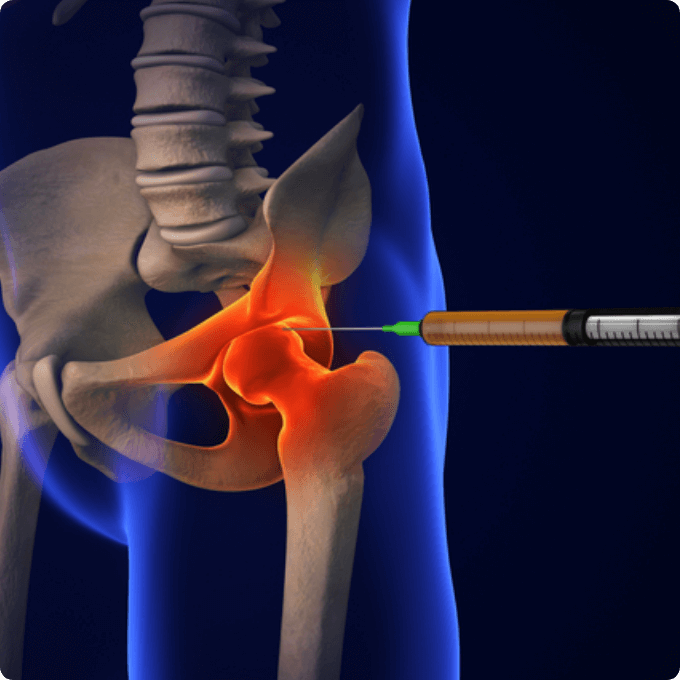
Hip joint injections are a minimally invasive procedure used to diagnose and treat hip pain, especially in conditions like arthritis. These injections can help alleviate discomfort, improve mobility, and, in some cases, delay the need for more invasive treatments like surgery. They are performed with the guidance of imaging technologies to ensure the injection is delivered accurately into the hip joint.
Hip joint injections involve administering medication directly into the joint space, typically under local anaesthetic. Depending on the type of injection, the purpose may be to:
Pierre Nasr Hip and Knee Injections (youtube.com)

Imaging Guidance:
Local Anaesthetic:
Steroid (Corticosteroid) Injections:
Steroids are strong anti-inflammatory medications that can be injected directly into the hip joint to reduce inflammation and alleviate pain. These injections are particularly useful in treating hip arthritis, synovitis, or bursitis.
Alternative & Experimental Injections:
Preparation: The patient lies down, and the injection site is sterilised to minimise the risk of infection. A local anaesthetic may be applied to numb the area.
Injection: Once the needle is correctly positioned, the medication (either anaesthetic, steroid, hyaluronic acid, or PRP) is slowly injected into the joint space.
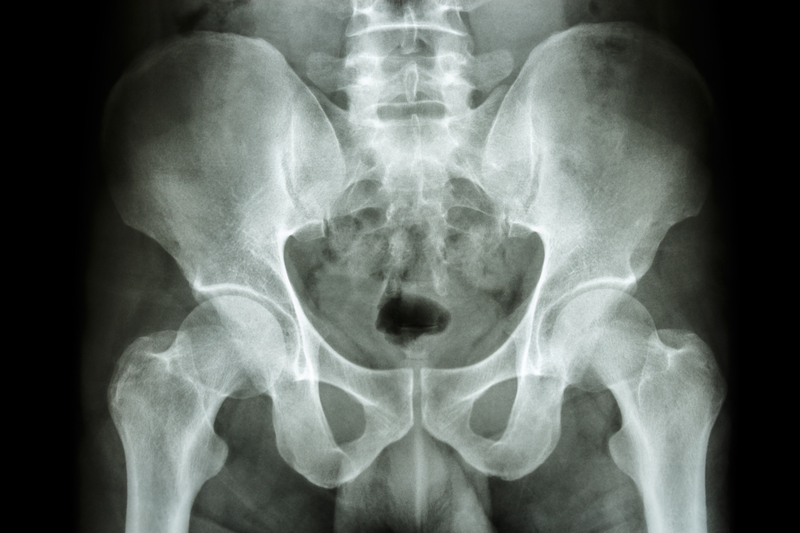
Imaging: The doctor uses x-ray or ultrasound imaging to visualise the joint and ensure precise needle placement.
Post-Procedure: After the injection, the patient is monitored for a short time to ensure there are no immediate reactions. Most patients can go home within an hour.
Immediate Relief: Patients receiving a diagnostic injection may experience immediate pain relief due to the local anaesthetic. However, this relief is usually temporary and wears off within hours.
Activity Restrictions: it is usually recommended to avoid strenuous activity for 24-48 hours following the injection to allow the medication to take full effect. Light activities such as walking are typically allowed.
Therapeutic Relief: For therapeutic injections, it may take several days to feel the full effect. Relief can last for weeks or months, depending on the medication used and the individual’s condition.
While hip injections are generally safe, there are a few potential risks:
Hip injections are often recommended when:
For those suffering from hip pain, joint injections can offer an effective, minimally invasive solution to improve quality of life. It’s important to consult your healthcare provider to determine the most appropriate type of injection and treatment plan for your individual needs.
At Northampton Hip and Knee Clinic, we pride ourselves on providing exceptional care for hip and knee conditions. Here's why you should choose us.
Mr Pierre Nasr has extensive experience in hip and knee treatments, performing hundreds of hip and knee procedures annually.
As a specialist in hip and knee surgeries, Mr Nasr brings a depth of knowledge to every case.
We tailor our approach to each patient's unique needs and circumstances.
Our clinic consistently achieves excellent results, with high patient satisfaction rates.
Our dedication to outstanding care is evident in the stories of our patients. Explore how our treatments have significantly improved lives, offering relief and restoring mobility for individuals just like you.
Mr Pierre Nasr, MBBS BSc Dip IMC RCS (Ed) FRCS (Tr&Orth), is a Consultant Trauma and Orthopaedic Surgeon with extensive experience in hip and knee replacements and fracture management. His expertise ensures you receive the highest standard of care at Northampton Hip and Knee Clinic.
Remote Consultations for Hip and Knee Pain and Lower Limb Trauma
Experiencing hip or knee pain or a recent lower limb injury? You no longer need to wait for in-person appointments to receive expert advice and care. At Northampton Hip and Knee Clinic, we offer remote consultations that allow you to discuss your condition with our specialist team from the comfort of your own home.
For more information about fracture treatment or to schedule a consultation with Mr Nasr, please contact us:
A hip joint injection is a minimally invasive procedure in which medication is delivered directly into the hip joint space. It can serve two purposes: diagnostic, to confirm whether the hip is the source of your pain, or therapeutic, to reduce inflammation, relieve pain, and improve mobility. Hip injections are performed under imaging guidance (X-ray or ultrasound) to ensure the needle is accurately placed deep within the joint.
The main types offered at Northampton Hip and Knee Clinic include steroid (corticosteroid) injections, which are powerful anti-inflammatory medications that can provide significant pain relief; hyaluronic acid (viscosupplementation) injections, which restore joint lubrication; and Platelet-Rich Plasma (PRP) injections, which use your own blood to encourage natural healing. Mr Pierre Nasr will discuss the most appropriate type for your specific condition and circumstances.
A steroid injection typically begins to take effect within one to three days and reaches its full benefit within seven to ten days. Relief commonly lasts between three and four months, though some patients experience benefit for considerably longer. The local anaesthetic included in the injection may provide immediate, temporary pain relief lasting a few hours before the steroid takes over.
Most patients find the procedure well tolerated with minimal discomfort. Because the hip joint sits deep within the body, imaging guidance is used to place the needle precisely. A local anaesthetic may be applied to numb the skin beforehand. The injection itself is quick, typically taking less than 30 minutes in total. Some mild soreness or swelling at the injection site for a day or two is normal and usually resolves on its own.
Hip injections are generally very safe when performed by a specialist using proper sterile technique. As with any injection into a joint, there is a small risk of infection, temporary post-injection soreness (sometimes called a ‘steroid flare’), or, rarely, an allergic reaction. Repeated steroid injections are used cautiously, as too many over a short period can potentially weaken surrounding tissues. Mr Nasr will discuss all relevant risks with you before proceeding.
Yes, for many patients, hip injections can provide meaningful relief and help delay or even avoid the need for surgical intervention, particularly in cases of mild to moderate arthritis. They are often combined with physiotherapy, weight management, and oral pain medications to optimise outcomes. If your arthritis is more advanced, injections may still offer temporary relief while you plan further treatment.














© 2026 Northampton Hip and Knee Clinic. All rights reserved. Registered Number: 10536384
Website Design & Marketing by Loop Digital.