Persistent knee pain, stiffness or reduced mobility can make walking, exercising and everyday activities increasingly difficult. If your symptoms are not improving, an accurate diagnosis can help establish whether knee arthritis is responsible and which treatment options may be appropriate. Mr Pierre Nasr provides specialist assessment and treatment for knee arthritis and knee pain in Northampton and surrounding areas, offering both non-surgical treatments and knee replacement surgery when clinically appropriate.
Knee arthritis usually causes symptoms centred around the knee itself, including pain, stiffness, swelling and reduced movement. Some people can also experience referred discomfort into the thigh or shin, or develop pain elsewhere because their walking pattern has changed. However, persistent pain in the calf, ankle or throughout the whole leg should not automatically be attributed to knee arthritis. These symptoms can have several possible causes and may require a broader clinical assessment.
Ready to get answers?
Book a Consultation with Mr Nasr
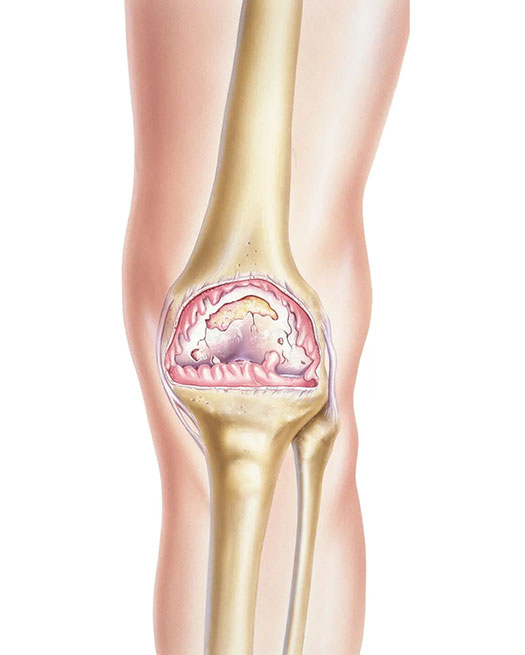
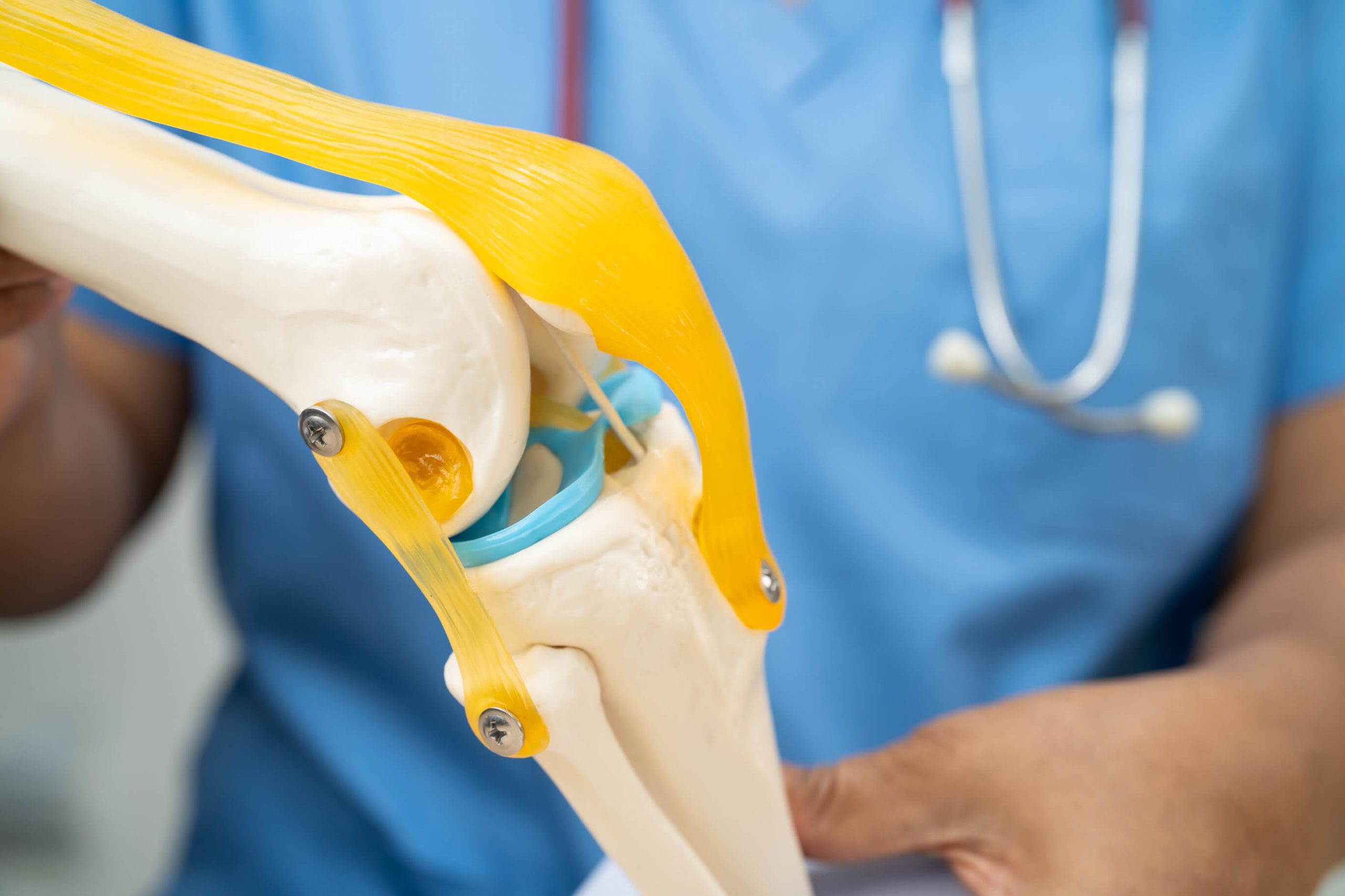
Knee arthritis is the gradual breakdown of the cartilage lining inside the knee joint, the smooth, cushioning tissue that allows your bones to glide freely against one another. As cartilage wears away, bones begin to rub together, causing pain, stiffness, swelling, and a progressive loss of mobility.
It is one of the most common musculoskeletal conditions in the UK, particularly affecting adults over 50, though it can occur at any age following injury or in the context of certain medical conditions.
Knee replacement may be considered when significant knee pain, night pain and loss of function are substantially affecting everyday life and appropriate non-surgical treatments are no longer providing sufficient relief. The decision is based on your symptoms, examination and imaging rather than any single symptom.
Resources:
What is Arthritis – Information Booklet

Mr Nasr takes a thorough, structured approach to diagnosis:
Concerned about your symptoms?
Request a diagnostic consultation
There are two primary forms of knee arthritis, and understanding the distinction matters for your treatment:
The most common type. Osteoarthritis is a degenerative joint condition affecting the cartilage, underlying bone and other structures within the knee. It may affect one knee more than the other and often develops gradually.
An autoimmune condition in which the body’s immune system attacks the joint lining (synovium), causing inflammation, pain, and cartilage damage. RA often affects both knees symmetrically and is managed with specialist rheumatological input alongside orthopaedic care.
Early identification of knee arthritis allows for the widest range of treatment options and the best long-term outcomes. The following symptoms are associated with knee arthritis at varying stages:
* Pain extending well beyond the knee, particularly persistent calf, ankle or whole-leg pain, should not automatically be assumed to be caused by knee arthritis and may require assessment for other causes.
Early Knee Arthritis Symptoms
Aching or stiffness inside the knee, especially in the morning or after sitting.
A feeling of instability or the knee “giving way” on uneven ground.
Mild swelling around the knee joint after use.
Difficulty with specific activities like climbing stairs or walking.
Tenderness along the inner or outer aspect of the knee.
Advanced & Severe Arthritis Symptoms
Persistent or night-time knee pain that may disrupt sleep.
Significant limitation of everyday activities because of knee pain.
Significant swelling and warmth in and around the joint.
Reduced range of movement; difficulty fully straightening or bending the knee.
Persistent discomfort that affects the entire leg.
For many patients, particularly those with early or moderate knee arthritis, non-surgical treatment can help reduce pain, improve function and potentially delay the need for surgery.
Structured physiotherapy is one of the most evidence-based treatments for knee arthritis. A tailored exercise programme strengthens the muscles around the knee, particularly the quadriceps and hamstrings, helping to support the joint and improve mobility.
Even a modest reduction in body weight can reduce the forces acting through the knee joint. Combined with physiotherapy, weight management can form an important part of non-surgical care.
When pain relief from exercise and lifestyle modification is insufficient, targeted injections may provide useful symptomatic relief for selected patients:
Anti-inflammatory medication is injected directly into the knee joint and can provide temporary pain relief for some patients, particularly during symptomatic flare-ups. The duration and degree of relief vary between individuals.
Hyaluronic acid is a substance naturally present in joint fluid. Some patients obtain useful symptomatic relief following hyaluronic acid injections, although the response and duration of benefit vary between individuals. The treatment does not reverse the underlying arthritis and is considered selectively as part of an individual treatment plan.
If your knee arthritis has progressed to the point where pain is constant, your quality of life is substantially affected, and conservative measures no longer provide adequate relief, surgery may be the most effective and lasting solution.
At Northampton Hip and Knee Clinic, we pride ourselves on providing exceptional care for hip and knee conditions. Here are four reasons to choose us:
Mr. Pierre Nasr has extensive experience in hip and knee treatments, performing hundreds of procedures annually. His expertise ensures high-quality surgical outcomes.
As a specialist in hip and knee surgeries, Mr. Nasr brings a depth of knowledge and skill to every case, offering advanced treatment options tailored to each patient.
We tailor our approach to each patient's unique needs and circumstances, ensuring a treatment plan that best suits your condition and lifestyle.
Our clinic consistently achieves excellent results, with high patient satisfaction rates reflecting our commitment to exceptional care and successful treatments.
Our dedication to outstanding care is evident in the stories of our patients. Explore how our treatments have significantly improved lives, offering relief and restoring mobility for individuals just like you.
Mr Pierre Nasr, MBBS BSc Dip IMC RCS (Ed) FRCS (Tr&Orth), is a Consultant Trauma and Orthopaedic Surgeon with extensive experience in hip and knee replacements and fracture management. His expertise ensures you receive the highest standard of care at Northampton Hip and Knee Clinic.
Remote Consultations for Hip and Knee Pain and Lower Limb Trauma
Experiencing hip or knee pain or a recent lower limb injury? You no longer need to wait for in-person appointments to receive expert advice and care. At Northampton Hip and Knee Clinic, we offer remote consultations that allow you to discuss your condition with our specialist team from the comfort of your own home.
For more information about fracture treatment or to schedule a consultation with Mr Nasr, please contact us:
Yes. Knee arthritis can sometimes cause referred discomfort beyond the knee, particularly into the thigh or shin. Changes in the way you walk because of a painful or stiff knee can also contribute to discomfort elsewhere in the leg. However, persistent calf, ankle or whole-leg pain may have other causes, so specialist assessment can help identify the source.
Early knee arthritis symptoms include morning stiffness that eases within 30 minutes of movement, aching during or after physical activity, mild swelling after use, and tenderness along the inner or outer aspect of the knee joint. Many patients also notice a creaking or grating sensation (crepitus) when bending or straightening the knee. Early diagnosis allows for the greatest range of treatment options.
Osteoarthritis is a degenerative joint condition affecting the cartilage and other structures within the knee. Rheumatoid arthritis is an autoimmune disease in which the immune system attacks the joint lining, causing inflammation and joint damage, often affecting both knees. Clinical examination, imaging and, where appropriate, blood tests can help distinguish between them.
You may need to consider a knee replacement when knee arthritis pain is constant, including at rest and at night; significantly limits your daily activities; is no longer controlled by non-surgical treatments such as physiotherapy, weight management, or injections; and when imaging confirms advanced joint damage.
Whole-leg pain is not a reliable indicator that you need a knee replacement. Persistent pain affecting the whole leg can have several possible causes and requires appropriate assessment. More relevant indicators for considering knee replacement include significant knee pain, night pain, substantial functional limitation and advanced arthritis that has not responded adequately to non-surgical treatment.
Yes, although the options become more limited as arthritis advances. Steroid injections can provide temporary symptomatic relief for some patients. Hyaluronic acid injections may also provide useful relief in selected patients, although response varies and they do not reverse the underlying arthritis. Pain medication, appropriate physiotherapy and walking aids may also help manage symptoms.
Yes, sometimes . When knee function is compromised, changes in walking and loading can place additional demands on surrounding muscles and joints. Knee arthritis can also be associated with referred discomfort, particularly into the thigh or shin. However, persistent calf, ankle or whole-leg pain should not automatically be attributed to the knee. Treating confirmed knee arthritis may improve symptoms that are genuinely related to it, but this depends on the underlying cause of the wider leg pain.
Neither is universally better; the right choice depends entirely on which parts of your knee joint are affected by arthritis. If arthritis is confined to one compartment, a partial replacement is less invasive, faster to recover from, and often feels more natural. If multiple compartments are damaged, a total knee replacement is more appropriate and remains a highly effective, durable procedure.














© 2026 Northampton Hip and Knee Clinic. All rights reserved. Registered Number: 10536384
Website Design & Marketing by Loop Digital.