Hip Replacement

Hip Replacement

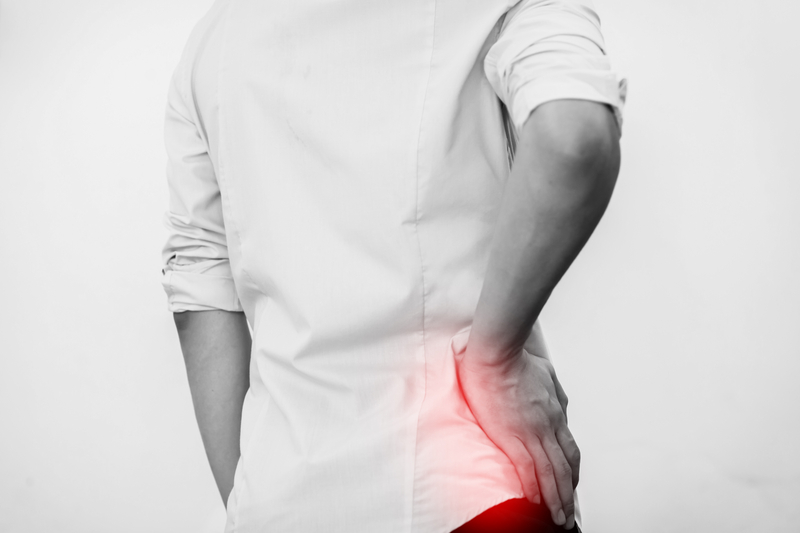
Any surgery, like a total or partial hip replacement, can seem very intimidating, but if you’re living with hip pain that limits your mobility, walking, sleeping or everyday activity, it may be time to talk to a specialist. You deserve to live your life to its fullest, and nothing should get in the way. At the Northampton Hip & Knee Clinic, we understand the value of an active lifestyle at every stage; our expert orthopaedic consultant, Mr Nasr, offers tailored solutions for hip joint replacement, from consultation through to recovery, helping you regain pain-free movement and a better quality of life.
dreamstime_l_323432924


The Consultant Advantage in Hip Replacement

As your dedicated consultant, Mr Nasr manages your entire hip replacement journey, from an initial assessment in clinic, appropriate investigations, pre-operative assessment through to post-surgery care and rehabilitation. By choosing a specialist hip orthopaedic surgeon, you benefit from:

  • A consistent point of contact and clear communication throughout.
  • Proven experience in total hip replacement, mini-incision techniques and implant selection tailored to you.
  • Advanced surgical protocols that focus on faster recovery, reduced hospital stay and minimal disruption to your daily life.


Schedule my consultation now

What Is Hip Replacement (Hip Arthroplasty)?

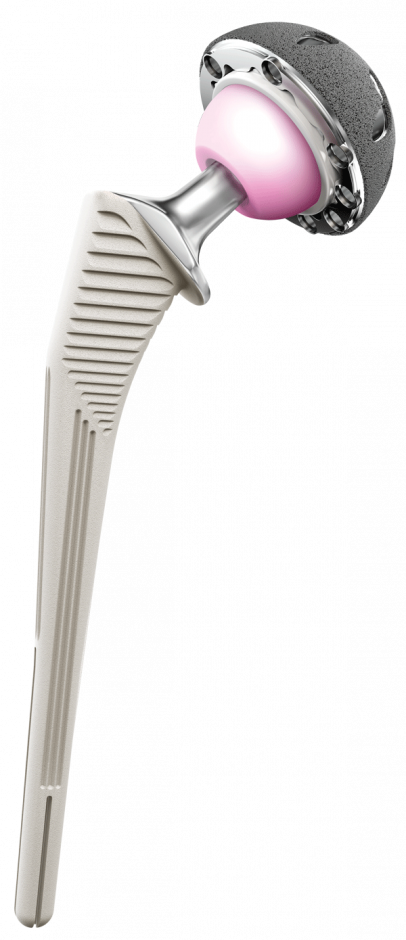
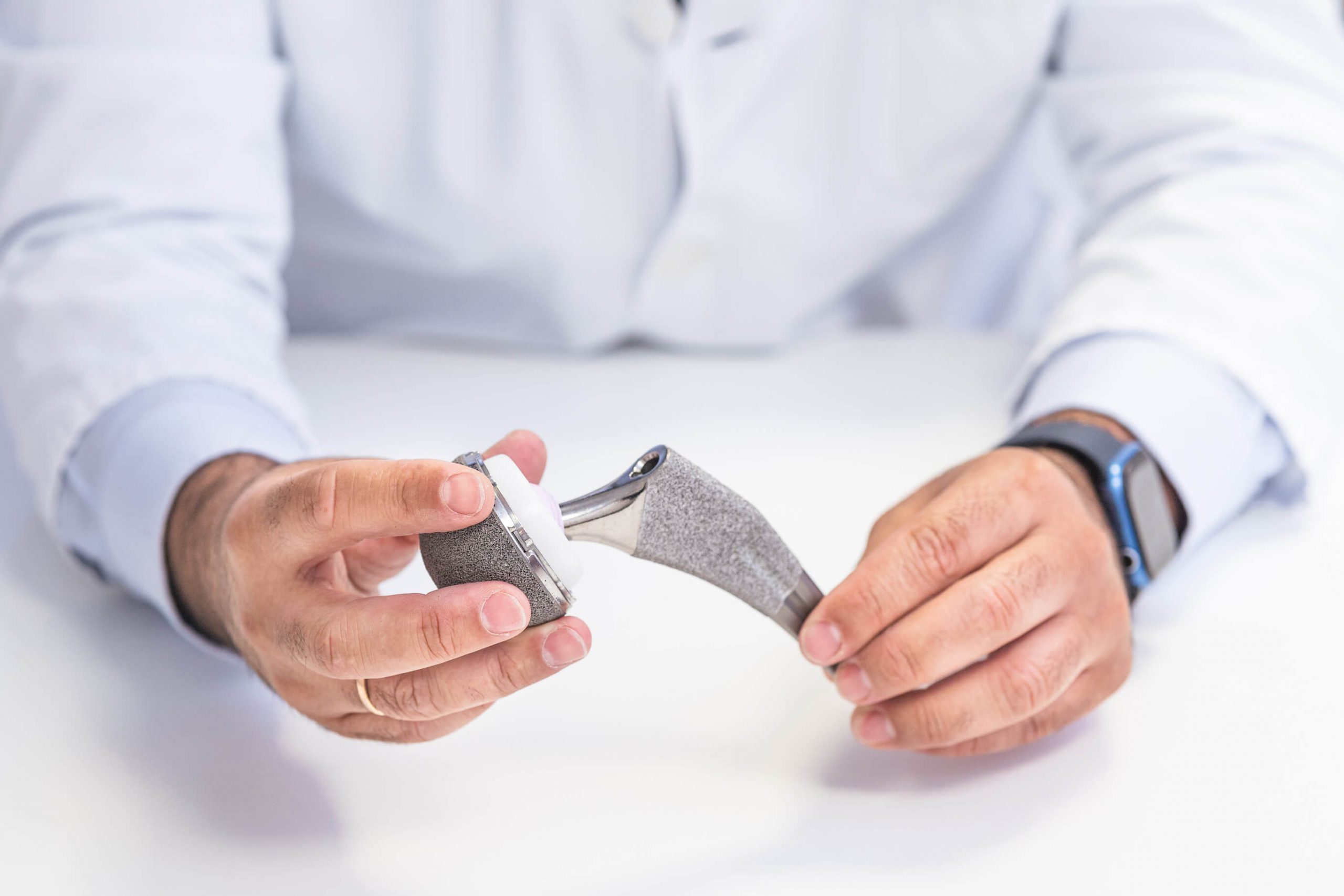
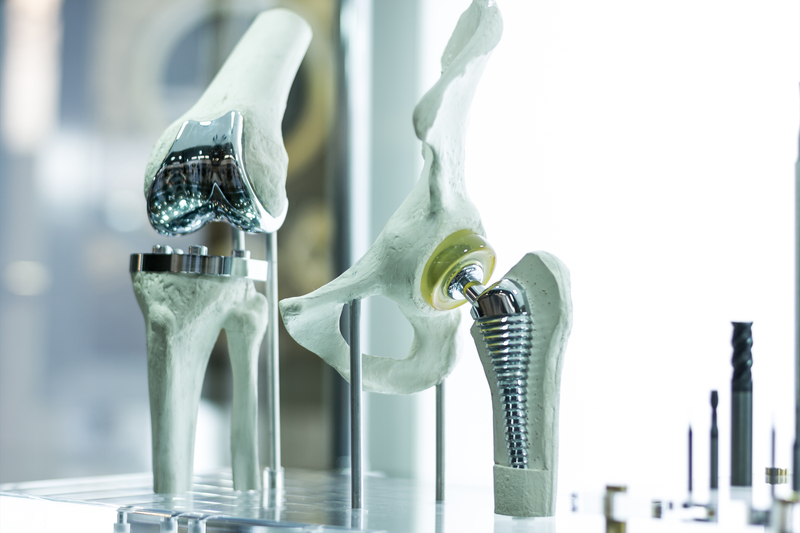
Hip replacement surgery (also called hip arthroplasty) involves removing the damaged surfaces of your hip joint, the “ball” at the top of your thigh bone (femur), and the “socket” in your pelvis and replacing them with prosthetic components to relieve pain and restore mobility.
We treat a wide range of surgical hip replacement options, including:


 

View your treatment options

Corail Hip Replacement Part

You may be a good candidate for hip replacement if you have:

  • Persistent hip pain that interferes with walking, climbing stairs or completing daily activities
  • Stiffness or reduced mobility that limits your ability to bend, sit, or move comfortably
  • Nighttime hip pain that disrupts your sleep or worsens when lying down
  • Arthritis-related damage, such as bone-on-bone grinding or joint space narrowing
  • Poor response to conservative treatments, including physiotherapy, painkillers, or hyaluronic acid injections
  • A history of hip injury or fracture that has led to chronic pain or joint instability
  • Failed previous hip surgery or implant, requiring revision or replacement


Your resources for complete guidance

Hip Replacement Surgery Process

Preparation for Surgery – How to Get Ready

  • Preparing for your hip replacement helps you recover faster and reduces risks.

Before the operation:

  • Attend a detailed pre-operative assessment (health check, blood tests, ECG, physiotherapy introduction)
  • Optimise your general health: stop smoking, maintain a healthy weight (hip replacement for obese patients may carry a higher risk)
  • Pre-hab: Gentle exercises to strengthen muscles around your hip and improve mobility
  • Home-prep: Set up your home for easier movement post-surgery (remove rugs/trips, raise toilet seat (can be provided by physiotherapy), consider walking aid)

The Surgical Procedure – What Happens on the Day

On the day of your hip implant surgery:

  • You’ll undergo general anaesthesia or spinal anaesthesia with sedation. Spinal anaesthetic is usually preferred but ultimately you have a choice upon discussing with your anaesthetist.
  • The surgeon uses a surgical approach (for example, posterior or anterior) and replaces your hip joint with components made of metal, ceramic or high-density polyethene.
  • Modern hip implants (hip replacement implants) and computer-assisted techniques help improve precision and longevity.
  • Robotic joint replacements are an evolving technology and may be suitable for some patients

Recovery Timeline & Enhanced Recovery Protocols

Here’s a typical recovery timeline you can expect, though individual progress will vary:

  • Day 0–1: You’ll begin moving, assisted by physiotherapy; many patients start walking with aid. Most patients go home (sometimes on the day of surgery but mostly after one night in hospital) with painkillers and a phone number to call if there are any concerns
  • Week 1: Pain is significantly reduced from day one. Physiotherapy sessions take place in the first few weeks and a nurse wound review happens after 2 weeks.
  • Weeks 2–6: You’ll gradually progress from walking aids to sticks, start driving (often by six weeks), and be performing everyday activities.
  • Weeks 6-12: Most patients return to normal walking, light sports or hobbies; your new hip is stabilising. Full recovery and implant integration; you should be back to a more active lifestyle.

We follow enhanced recovery protocols (minimally invasive techniques, day-case when appropriate, early mobilisation) to accelerate recovery and reduce hospital stay.

Download my complete recovery procedure

Why Choose Northampton Hip & Knee Clinic?

Specialist surgeon

Mr Nasr works exclusively on hip & knee replacements, bringing high-volume expertise.

Private, Patient-centered care

You receive personal attention, shorter waits, advanced surgical techniques and dedicated aftercare.

Advanced options

From day-case hip replacement to minimally invasive surgery and hip resurfacing for select candidates, we tailor our service to you.

Local convenience

Located in Northampton (Three Shires Hospital) with access to private facilities and aftercare support.

Success stories for our patients

Our dedication to outstanding care is evident in the stories of our patients. Explore how our treatments have significantly improved lives, offering relief and restoring mobility for individuals just like you.

What Next? Book a Consultation

Ready to discuss whether hip replacement is right for you? Book a consultation with Mr Nasr today. We’ll review your hip condition, discuss all options including non-surgical treatments (e.g., hyaluronic acid hip injection, hip/knee injections) and decide the best path forward.

    Address:  Circle Three Shires Hospital, The Avenue, Northampton NN1 5DR

    Common Questions & Concerns

    1. Is hip replacement safe?

    Yes — hip replacement is one of the most successful orthopaedic operations. However, like all surgery, there are risks. We’ll talk through these clearly at your consultation.

    2. What are the risks of hip replacement?

    Risks include blood clots, infection, dislocation (particularly in the first six weeks), leg length discrepancy, nerve injury, and bleeding as well as medical complications such as heart and lung issues.

    3. What type of anesthetic will I have?

    Patients will be able to discuss their anaesthetic for their operation with the Consultant Anaesthetist working with Mr Nasr. The vast majority of patients undergo a spinal anaesthetic which is a needle in the back to numb below the waist. You are then able to choose if you wish to have sedation or not which means that you can sleep comfortably during the surgery. A general anaesthetic is another option where a spinal anaesthetic is not appropriate, technically difficult or due to patient preference.

    4. Will I be able to do sports after hip replacement?

    Many patients return to low-impact sports; if you’re younger and active, you might be suitable for hip resurfacing. We will discuss limitations and realistic expectations.

    5. What about hip replacement in obese patients?

    Carrying excess weight places an extra load on the joint and can increase surgical risk and affect recovery. We will work with you to optimise your weight and mobility first.