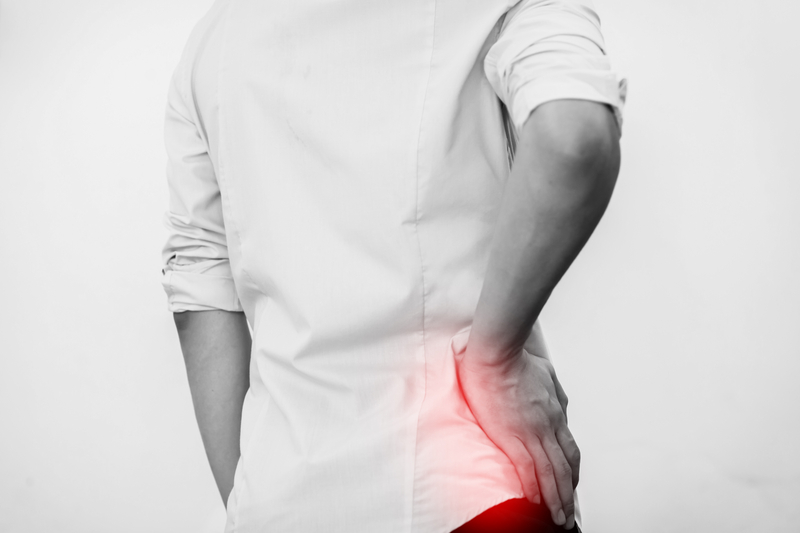
Hip pain doesn’t just affect movement; it changes how you live. Activities you once took for granted, like walking, exercising, and even tying your shoes, can start to feel frustrating or impossible. For some people, especially those who are active and younger, hip resurfacing surgery may be an effective alternative to a full hip replacement. At Northampton Hip & Knee Clinic, hip resurfacing is offered through a clear, consultant-led process that focuses on understanding your goals, explaining your options in plain language, and helping you make the right decision for your long-term mobility, not rushing you into surgery.
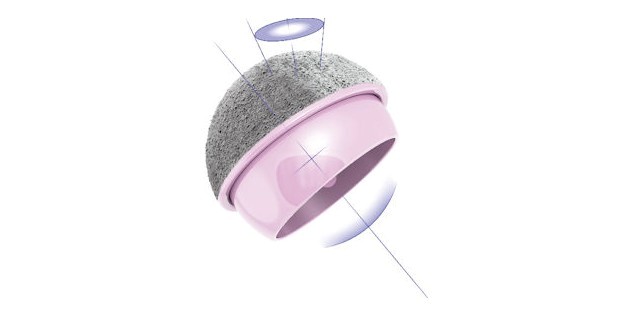
If you’re wondering what hip resurfacing is, it’s a type of hip joint resurfacing surgery that preserves more of your natural bone compared to a total hip replacement. Instead of removing the entire femoral head (the “ball” of the joint), the surgeon carefully reshapes it and places a smooth metal or ceramic cap over it. The socket is also lined with a durable metal or ceramic surface. The goal is to restore smooth movement, alleviate pain, and preserve the natural structure of your hip as much as possible. Hip resurfacing is not suitable for everyone, but for the right patient, it can offer excellent stability, a more natural joint feel, and long-term durability.
You may be considered for hip resurfacing if:
Hip resurfacing is most often considered for younger, active patients with good bone quality. Importantly, surgery is never treated as a default option. The decision is made with you, after carefully weighing non-surgical treatments and discussing whether resurfacing or hip replacement is more appropriate.


When you’re considering joint replacement, what matters most is not buzzwords; it’s feeling listened to, understanding your options, and having support after treatment. The clinical environment should provide more than just technical expertise; it must offer a partnership. Patients choose the expertise of Mr Nasr and his team because they prioritise feeling heard, understanding their options, and knowing they won’t be left without a safety net during recovery.
The clinic positions its care around:
A common question is hip resurfacing vs hip replacement. The key difference lies in how much bone is preserved.
| Feature | Hip Resurfacing | Total Hip Replacement |
| Bone Preservation | High: Keeps the femoral head. | Lower: Removes the femoral head. |
| Ideal Patient | Younger, active, strong bone density. | Older patients or those with bone thinning. |
| Joint Feel | Can feel more “natural” in sports. | Stable and reliable for daily life. |
| Future Surgery | Easier to revise later if needed. | Revision is more complex. |
Mr Nasr and his expert team will explain both options clearly, helping you understand which approach fits your anatomy, lifestyle, and long-term needs, without pressure.
Choosing surgery isn’t just about the operation; it’s about trust, understanding, and support. Patients considering hip resurfacing often want clear answers and honest guidance, not sales language.
At Northampton Hip & Knee Clinic, care is built around:
Your resources for complete guidance
The ADEPT resurfacing prosthesis is one of the best-known metal-on-metal resurfacing designs, based on the original Birmingham Hip Resurfacing (BHR) principles. ADEPT has demonstrated strong results in appropriate male patients with good bone quality.
Key features include:
More information is available from MatOrtho:
https://www.matortho.com/products/adept-hip-resurfacing/
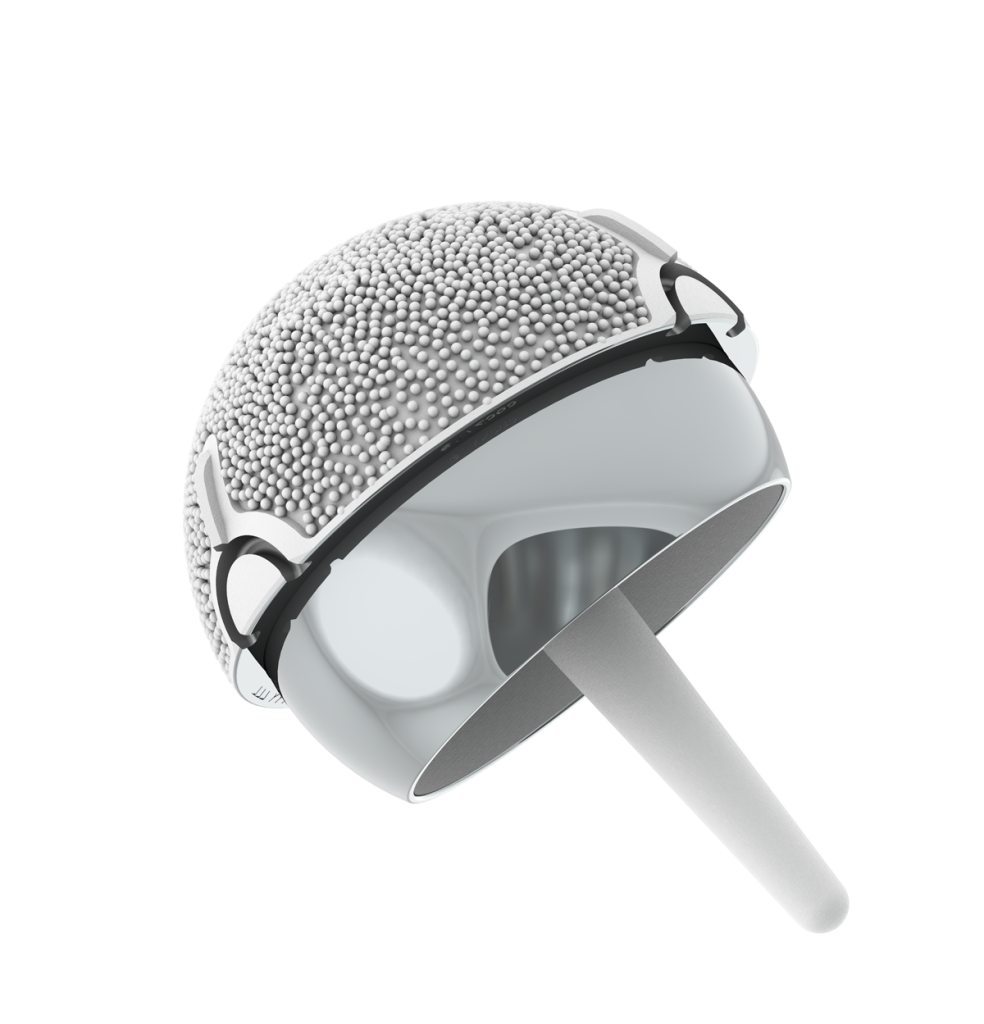
A Next-Generation, Metal-Free Resurfacing Option**
ReCerf represents the first all-ceramic hip resurfacing system, a major step forward for patients who want the benefits of resurfacing without metal-on-metal bearings. This system uses advanced ceramic surfaces, designed to reduce wear, avoid metal ion exposure, and extend implant longevity.
Benefits of ReCerf include:
It is particularly attractive for patients who previously would have been excellent resurfacing candidates but preferred to avoid metal bearings. It is also suitable for young active women who are unable to have the metal on metal articulation
More information from MatOrtho:
https://www.matortho.com/products/recertm-hip-resurfacing/
Recovery varies between individuals, but patients often want clarity about hip resurfacing recovery time. In general:
Mr Nasr will give you realistic expectations based on your health, activity level, and goals.
A key question is how long hip resurfacing lasts. For suitable patients, modern hip resurfacing implants have shown excellent long-term outcomes, often lasting 15–20 years or more. Longevity depends on factors such as activity level, bone quality, implant positioning, and following rehabilitation advice.
This is discussed openly during consultation so you can weigh long-term considerations with confidence.
If hip pain is holding you back, a consultation can help you understand:
You don’t have to decide today, but you do deserve clear answers.
Take the next step here: Book my consultation
Mr Nasr works exclusively on hip & knee replacements, bringing high-volume expertise.
You receive personal attention, shorter waits, advanced surgical techniques and dedicated aftercare.
From day-case hip replacement to minimally invasive surgery and hip resurfacing for select candidates, we tailor our service to you.
Located in Northampton with access to private facilities and aftercare support.
Our dedication to outstanding care is evident in the stories of our patients. Explore how our treatments have significantly improved lives, offering relief and restoring mobility for individuals just like you.
Ready to discuss whether hip replacement is right for you? Book a consultation with Mr Nasr today. We’ll review your hip condition, discuss all options including non-surgical treatments (e.g., hyaluronic acid hip injection, hip/knee injections) and decide the best path forward.
No. Hip resurfacing is best suited to younger, active patients with good bone quality. It may not be recommended if you have weak bones, osteoporosis, significant deformity, or certain medical conditions. Your consultant will assess your hip carefully and explain whether resurfacing or another treatment is more appropriate for you.
The operation itself usually takes around 60–90 minutes. However, your hospital stay includes preparation, anaesthetic time, and early recovery, so your consultant will guide you through what to expect on the day.
Most patients describe post-surgical discomfort rather than severe pain. Pain relief is provided, and discomfort typically improves steadily over the first few weeks. Many people find the arthritic pain they had before surgery is gone immediately. Hip resurfacing may be a little more uncomfortable in the initial few months than a total hip replacement due to the techniques involved in the surgery.
Many patients begin walking on the same day as surgery. Driving and desk-based work are often possible by around six weeks, depending on progress. Higher-impact activities are reintroduced gradually with your consultant’s guidance.
Hip resurfacing implants are designed to last many years, often 15–20 years or longer in suitable patients. If further surgery is ever needed, having preserved more natural bone can make future treatment more straightforward.














© 2026 Northampton Hip and Knee Clinic. All rights reserved. Registered Number: 10536384
Website Design & Marketing by Loop Digital.