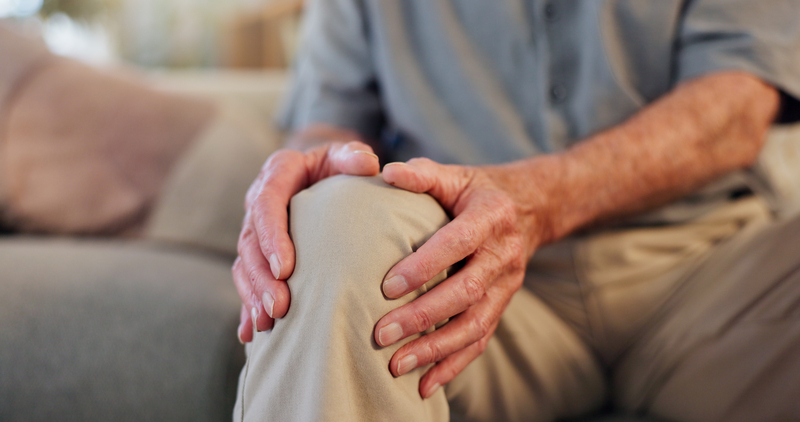
Chronic knee pain can affect almost every part of your life, from walking and climbing stairs to sleeping comfortably at night. When arthritis or joint damage becomes severe, simple activities can become exhausting and frustrating.
A total knee replacement is a well-established surgical treatment designed to reduce pain, restore movement and help you return to the activities you enjoy.
At Northampton Hip and Knee Clinic, we focus on helping you regain comfort and confidence in your movement with clear guidance, personalised treatment plans, and expert care at every stage of your journey.
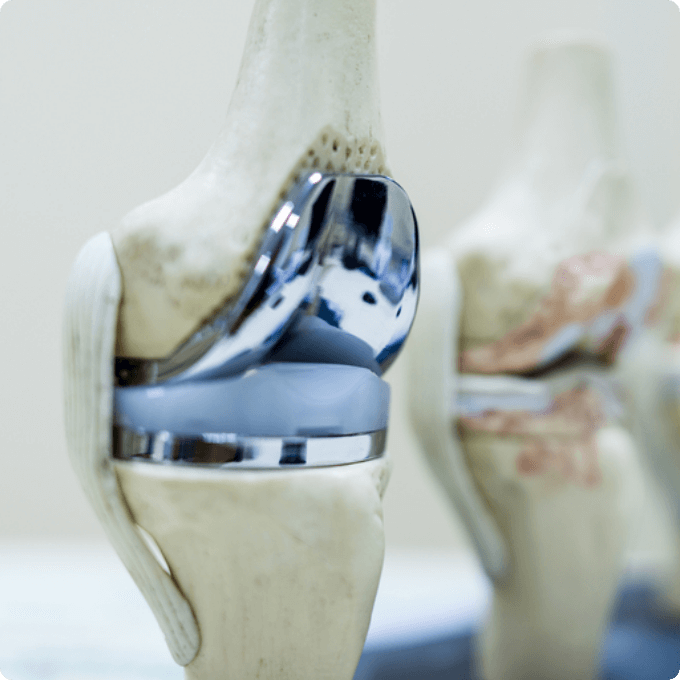
A total knee replacement surgery (also known as total knee arthroplasty) involves replacing the damaged surfaces of the knee joint with specially designed medical implants.
The knee joint consists of three main compartments. When arthritis affects most or all of these areas, replacing the entire joint surface can significantly reduce pain and improve function.
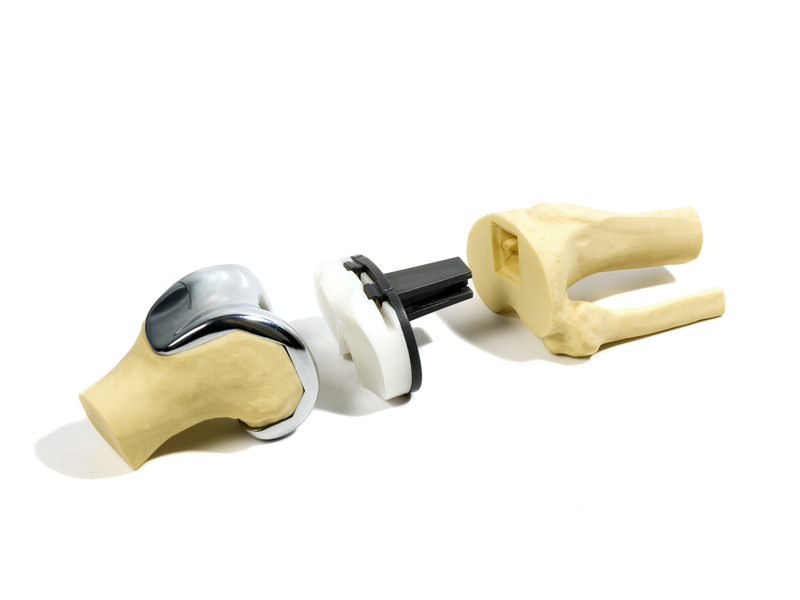
During a total knee replacement, worn cartilage and damaged bone are removed and replaced with smooth metal and medical-grade plastic components that replicate the knee’s natural movement.
The aim of surgery is to:
For many people, it is a life-changing treatment after other non-surgical options have no longer provided relief.
Total knee replacement surgery is usually recommended when knee damage is widespread and conservative treatments are no longer effective.
You may benefit from surgery if you experience:
The most common reason for total knee replacement surgery is advanced osteoarthritis, although rheumatoid arthritis, previous injuries or long-term joint damage may also lead to the need for surgery.
A thorough assessment, including imaging and examination, helps determine whether surgery is the best option for you.
A detailed evaluation will determine which procedure is most suitable for your knee condition, lifestyle and long-term goals.
Understanding the procedure can help reduce anxiety and make the process feel more manageable.
Before your operation, you will undergo a detailed clinical assessment, which may include:
This stage ensures that your total knee replacement protocol is carefully planned to suit your needs.
Total knee replacement surgery typically involves:
The procedure generally takes 1-2 hours.
Many patients can stand or begin gentle walking with support shortly after surgery.
One of the most common concerns among patients is the recovery process after total knee replacement. While recovery takes time, most people steadily regain mobility and confidence with the right rehabilitation.
A structured total knee replacement protocol helps guide safe, effective recovery.
Although recovery varies from person to person, general guidance includes:
Continued improvement in strength and flexibility
For patients with advanced joint damage, a total knee replacement can provide significant long-term benefits.
These often include:
Many patients find they can return to hobbies and activities they had previously stopped due to pain.
Every knee problem is different, which is why careful diagnosis and personalised advice are essential.
You may be a good candidate if:
The most reliable way to determine the best treatment is through a specialist knee assessment.
Living with ongoing knee pain can be physically draining and emotionally frustrating. If simple activities like walking, standing or sleeping are becoming difficult, it may be time to explore your treatment options.
A total knee replacement can restore movement, reduce pain, and help you return to the life you enjoy.
At Northampton Hip and Knee Clinic, the focus is on clear information, patient-focused care and helping you make the decision that feels right for you.
Led by Mr Pierre Nasr, our team specialises in advanced knee surgeries, including both partial and total knee replacements.
We utilise the latest innovations, such as computer-navigated knee surgery, ensuring precision and optimal outcomes.
From consultation through rehabilitation, we provide a supportive, personalised approach to help you recover quickly and effectively.
Our dedication to outstanding care is evident in the stories of our patients. Explore how our treatments have significantly improved lives, offering relief and restoring mobility for individuals just like you.
Living with knee pain is exhausting, physically and mentally. If you’ve been told you may need surgery but are unsure whether a full knee replacement is necessary, a partial knee replacement could be the solution.
Clear diagnosis. Personalised advice. No pressure.
Modern knee replacements are designed to be durable. Many implants last 15–20 years or longer, depending on activity levels and overall health.
Some discomfort is expected after surgery, but pain is carefully managed with medication and physiotherapy. Most patients report that arthritis-related pain improves significantly after recovery.
In a partial knee replacement, only the damaged part of the knee is replaced. A total knee replacement replaces the entire joint surface and is recommended when arthritis affects multiple areas of the knee.
Many patients begin walking with support within 24 hours after surgery. Mobility improves steadily with physiotherapy.
Office-based work is often possible within 4–6 weeks, while more physically demanding activities may take 8–12 weeks or longer, depending on recovery progress.














© 2026 Northampton Hip and Knee Clinic. All rights reserved. Registered Number: 10536384
Website Design & Marketing by Loop Digital.