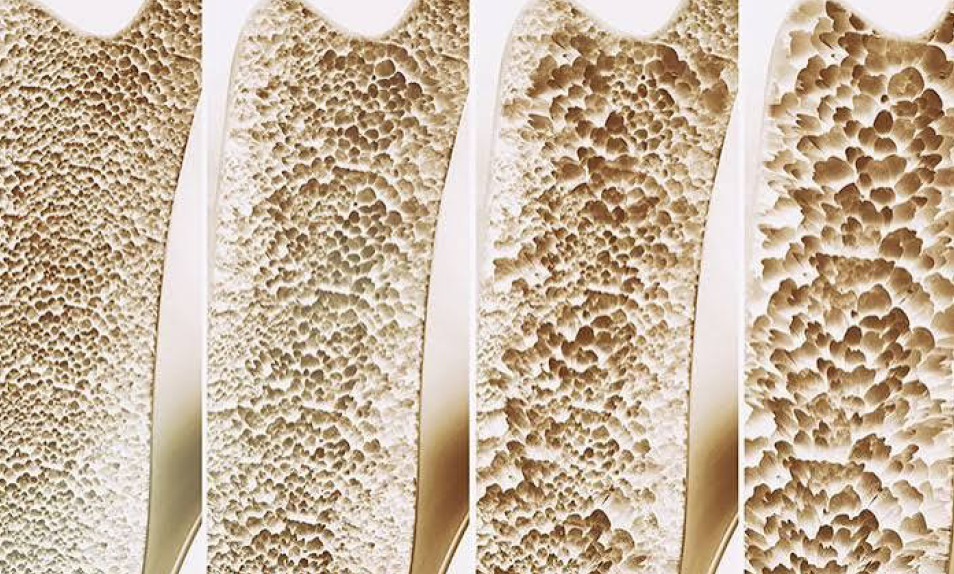
Strong, healthy bones play an important role in maintaining independence, mobility and quality of life throughout adulthood. However, many women are unaware that bone strength naturally declines after menopause, increasing the risk of osteoporosis and fragility fractures.
Recently, Consultant Trauma and Orthopaedic Surgeon Mr Pierre Nasr was invited to speak at the National Osteoporosis Society Regional Meeting, where he discussed the latest evidence on bone health, fracture prevention and the importance of recognising osteoporosis before a serious injury occurs.
Following the meeting, he has produced a comprehensive patient guide, Keeping Bones Strong, to answer many of the questions raised during the event and provide practical, evidence-based advice for patients.
Why bone health matters
Osteoporosis is often called a silent condition because it usually develops without symptoms until a fracture occurs. Unfortunately, a wrist, spine or hip fracture following what appears to be a minor fall may be the first indication that bone strength has been declining.
As an orthopaedic surgeon, Mr Nasr regularly treats the consequences of fragile bones. While modern surgery can successfully repair many fractures, preventing them wherever possible offers the greatest opportunity to preserve mobility, independence and long-term quality of life.
Key message from the guide:
A low-impact fracture should never be dismissed as “just bad luck.” It should be an opportunity to assess future fracture risk and take steps to prevent further injuries.
What you’ll find in the guide
- How menopause affects bone strength
- Common risk factors for osteoporosis
- When a DXA bone density scan may be recommended
- The role of hormone replacement therapy (HRT) in bone health
- Nutrition, vitamin D, calcium and exercise for healthy bones
- Current osteoporosis treatments and how they help reduce future fracture risk
Supporting patients through knowledge
At Northampton Hip & Knee Clinic, we believe that informed patients are empowered patients. Understanding your condition and knowing the options available allows you to make confident decisions about your health and future mobility.
Whether you’re approaching menopause, have been diagnosed with osteoporosis, or have experienced a recent fragility fracture, early assessment and appropriate treatment can make a significant difference in reducing future fracture risk.
Download the free guide
If you’d like to learn more about osteoporosis, menopause and protecting your bone health, you can download Mr Pierre Nasr’s patient guide below.
Expert, compassionate orthopaedic care
At Northampton Hip & Knee Clinic, our purpose is to help people restore mobility, reduce pain and improve their quality of life through exceptional orthopaedic care.
Led by Consultant Trauma and Orthopaedic Surgeon Mr Pierre Nasr, we combine specialist expertise with a compassionate, patient-centred approach. Every patient receives clear explanations, honest advice and a personalised treatment plan designed around their individual needs, helping them feel informed, supported and confident throughout their journey.